 440-965-4332
 Give us a Review

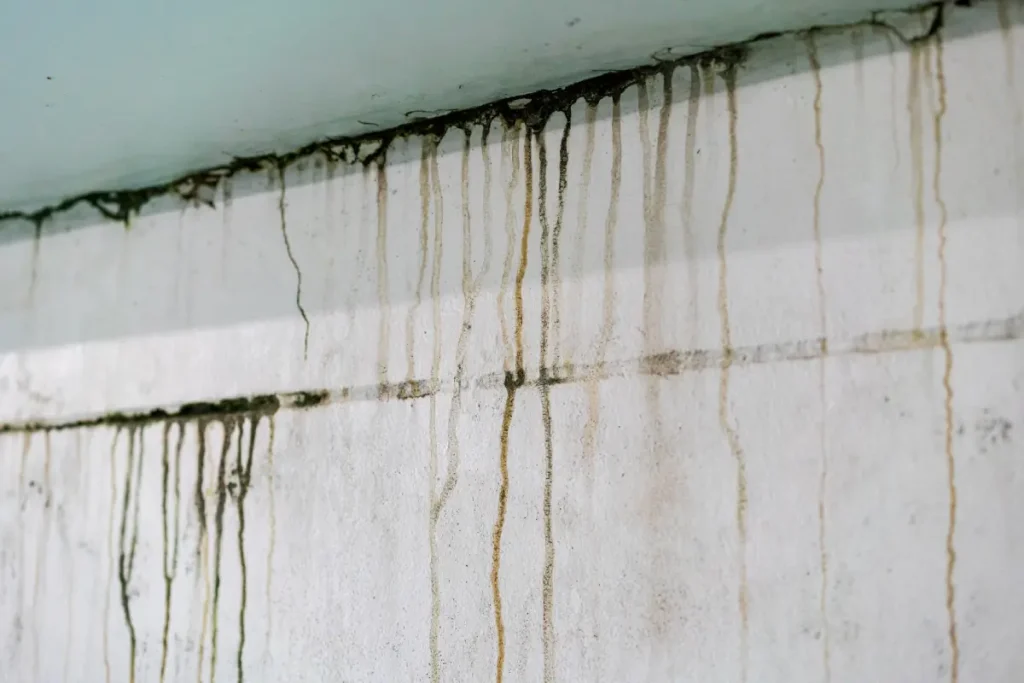
Why Water Shows Up in Your Basement After Heavy Rain
A basement can stay dry through several ordinary storms and still develop water in the basement after heavy rain conditions when the ground around the foundation becomes saturated. Once the soil is holding more water than it can readily drain, groundwater can build around or beneath the foundation and find a path through cracks, joints, or other openings.
The timing of the leak matters. Water that consistently appears during or shortly after prolonged rain provides an important clue that the problem may be connected to drainage and changing groundwater conditions around the home.
Why Does My Basement Leak Only When It Rains?
When a basement leaks when it rains, the amount of water reaching the foundation can be just as important as the opening where it becomes visible.
Rain falling on the roof, driveway, yard, and surrounding ground has to go somewhere. A working gutter and downspout system helps carry roof runoff away from the house, while proper yard grading helps direct surface water away from the foundation.
Below ground, conditions are less visible. As rain soaks into the soil, the ground can become saturated. Water may then build against foundation walls or beneath the basement floor.
That is why the wet spot inside the basement is only part of the story. Finding the source means looking at how water is moving around the property as well as where it finally appears indoors.
Where Does Rainwater Enter a Basement?
Rainwater in a basement does not always enter through one obvious opening. The path depends on the foundation, drainage around the home, and where water is collecting.
| Where Water Appears | What to Look At |
| Around a basement window | Window well drainage and water collecting near the opening |
| Through a wall crack | Water reaching an existing crack from saturated soil outside |
| Along the wall-floor joint | Groundwater reaching the cove joint at the basement perimeter |
| Through a floor crack | Water accumulating beneath the basement slab |
| Near pipes or other penetrations | Gaps where utilities pass through the foundation |
| Across several basement areas | A broader groundwater or drainage problem rather than one isolated opening |
The visible entry point helps narrow down the problem, but it should not automatically be treated as the source. Water can travel through soil, masonry, joints, and other paths before it becomes noticeable inside.
How Gutters and Downspouts Affect Basement Water
Roof drainage can put a substantial amount of water close to a foundation if it is not carried away effectively.
A clogged or overflowing gutter can send water directly beside the house. A disconnected, damaged, or poorly directed downspout can create a similar problem by concentrating roof runoff near one section of the foundation.
Start by checking whether:
- Gutters are overflowing during rain
- Downspouts are connected and draining properly
- Water discharged from downspouts flows back toward the house
- Low areas near the foundation remain wet after the storm
Correcting roof drainage can reduce unnecessary water around the foundation. It may not solve a groundwater problem by itself, but there is little benefit in allowing roof runoff to add to already wet soil.
Can Yard Grading Cause a Basement to Leak?
Yes. Yard grading affects which direction surface water travels once it reaches the ground.
When the soil immediately around the house slopes toward the foundation or has settled into low areas, rainwater can collect where it is least helpful. More water beside the foundation means more water available to soak into the surrounding soil.
Proper grading directs surface runoff away from the house rather than allowing it to pool along the foundation.
Grading is only one part of the drainage picture, however. A basement may still experience groundwater seepage even when the visible surface drainage appears reasonable. What matters is identifying all of the conditions contributing to the leak rather than assuming one exterior correction will solve every wet basement.
Why Water Can Appear After the Rain Has Stopped
A delayed leak can be confusing. The storm has passed, but several hours later the basement floor or wall begins getting wet.
That delay can occur because water takes time to move through the ground.
During a long or heavy storm, soil around the foundation continues absorbing water. Groundwater levels and pressure can keep changing even after rainfall slows or stops. Water may not reach an available foundation opening until those below-grade conditions have developed.
This is why water seeping into a basement after rain can still be connected to the storm even when the basement remained dry while the rain was falling.
When Heavy Rain Leads to Basement Flooding
A damp wall and basement flooding after heavy rain are different levels of water intrusion, but both require the source to be understood.
Larger amounts of water can enter when several conditions occur at once. Saturated soil may increase groundwater around the foundation while runoff is also being concentrated near the house. If water enters faster than an existing drainage or sump system can handle it, water can accumulate on the basement floor.
For a home with an existing sump pump, its operation is especially important during prolonged wet weather. A pump that cannot operate when needed leaves collected water without its intended means of discharge.
A sump pump is not a stand-alone answer to every basement leak, though. It needs to be part of a system that collects water and directs it to the sump pit.
How to Stop Basement Water After Heavy Rain
Stopping a recurring rain-related leak starts with identifying which water path is affecting the home. The solution should follow the source rather than the location of the newest wet spot.
Correct Surface Drainage Problems
If roof runoff or surface water is collecting beside the foundation, the gutter, downspout, and yard grading should be addressed so avoidable water is directed away from the house.
Address Localized Entry Points
An isolated crack or penetration may call for a targeted repair when it is confirmed as the source of the leak. Repeatedly sealing wet spots without understanding the surrounding water conditions, however, can leave the larger problem unchanged.
Manage Water Around or Beneath the Foundation
When groundwater is reaching the basement at the wall-floor joint, through the floor, or in multiple locations, a drainage-based waterproofing approach may be appropriate. Interior drainage can collect incoming water and direct it toward a sump pump system for removal.
The appropriate method depends on the foundation, drainage, water-entry pattern, and conditions at the property. Not every basement that leaks after rain needs the same waterproofing system.
CTA: Basement water returning every time it rains? Call 440-965-4332 or contact Daniel’s Waterproofing for a free inspection and estimate.
What to Check the Next Time Heavy Rain Hits
The next storm can provide useful information about a recurring basement leak. Instead of waiting until the floor is wet and then looking only inside, pay attention to what is happening around the house while the rain is falling.
Check where the downspouts are discharging, whether gutters are overflowing, where water is pooling in the yard, and which part of the basement becomes wet first. Note whether water appears during the storm or several hours afterward.
Inside, the location matters too. Water coming through a wall crack, appearing along the cove joint, or rising through a floor crack points to different potential paths.
A few observations made during wet weather can make it easier to understand a leak that disappears once everything dries.
Heavy-Rain Basement FAQs for Ohio Homeowners
How much does it cost to fix a basement that leaks after heavy rain?
The cost can range from a relatively small repair to several thousand dollars for a drainage or waterproofing system, depending on why the basement is leaking. Crack repair, sump work, drainage improvements, and full waterproofing involve very different scopes and costs. For a recurring basement leak when it rains, the source should be identified before comparing repair prices.
Why does my basement smell musty after heavy rain if there is no visible water?
A musty smell can develop when moisture increases in the basement even without visible standing water. Damp concrete, framing, stored materials, or moisture behind finished surfaces may not be immediately noticeable. If the odor consistently returns after rain, it is worth checking for hidden moisture rather than waiting for visible seepage.
Should I run a dehumidifier after heavy rain?
A dehumidifier can help lower indoor humidity and dry a damp basement, but it cannot stop water seeping into a basement after rain. If water is entering through the foundation, reducing humidity addresses the indoor moisture afterward, not the source of the leak.
Does homeowners insurance cover basement flooding after heavy rain?
It depends on the source of the water and the policy. Insurers may treat groundwater seepage, overland flooding, sewer backup, and sudden water damage differently. Homeowners dealing with basement flooding after heavy rain should document the damage and ask their insurer which type of water intrusion their policy covers.
Is it safe to use electricity in a basement with standing water?
Standing water and electrical equipment can create a serious hazard. Do not enter standing water when outlets, appliances, wiring, or other electrical equipment may be energized. Electrical safety should be addressed before cleanup begins.
How quickly should a wet basement be dried after heavy rain?
Wet materials should be addressed as soon as it is safe to do so. The EPA advises drying water-damaged areas and items within 24 to 48 hours when possible to help prevent mold growth. Drying the basement is important after a leak, but recurring rainwater in the basement still requires the source of the water to be corrected.
Should wet basement carpet be removed after flooding?
It depends on the water source, how wet the carpet and padding became, and how long they remained wet. Carpet exposed to significant water may be difficult to dry completely, particularly when the padding underneath is saturated. Water that may contain sewage or other contamination requires different cleanup precautions than clean water.
Can heavy rain cause basement water problems in Northern Ohio even if the basement usually stays dry?
Yes. Periods of sustained or unusually heavy rain can increase soil moisture and groundwater around a foundation. A Northern Ohio basement that remains dry during ordinary weather may therefore show seepage under wetter conditions. Repeated leaks during heavy rain are a reason to investigate how water is reaching the foundation rather than treating each storm as an isolated event.
Keep the Next Heavy Rain Outside Your Basement
Recurring water in a basement after heavy rain is a sign that water has an established path toward or through the foundation. Finding that path is more useful than repeatedly drying the floor or patching whichever spot happens to be wet after the latest storm.
Family-owned since 1978, Daniel’s Waterproofing has completed more than 20,000 basement and foundation projects across North Central and Northeast Ohio. Our experienced in-house crews, never subcontractors, complete the work, and Daniel’s maintains an A+ rating from the Better Business Bureau(opens in new tab).
Call 440-965-4332 or contact us online for a free inspection and estimate.