 440-965-4332
 Give us a Review

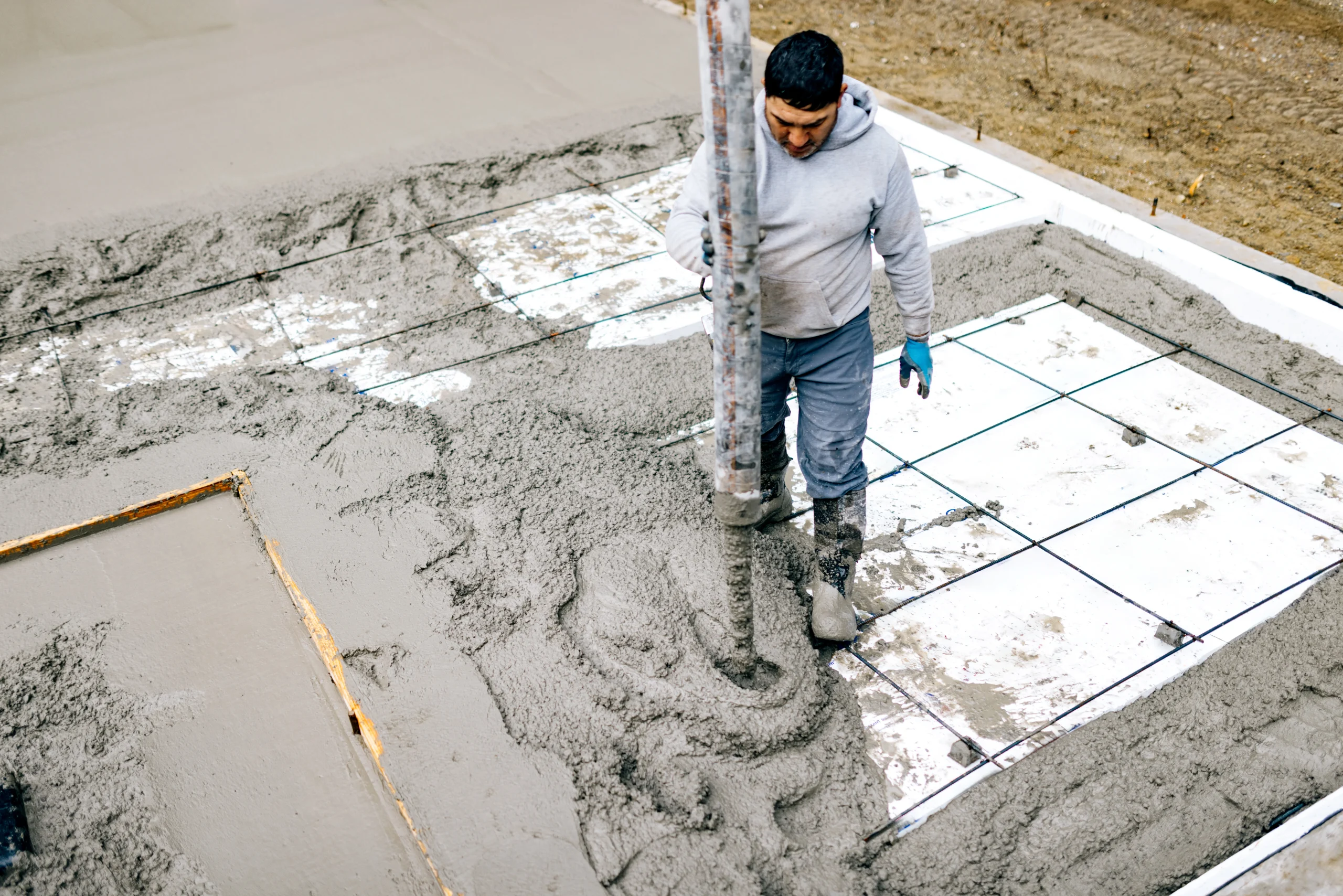
One Basement Can Have Several Waterproofing Lifespans
If you’re wondering how long basement waterproofing lasts, there isn’t one timeframe that applies to every basement. It can involve a drainage system, sump pump, waterproofing membrane, crack repairs, or surface coatings, and each has its own expected service life. Some components may need attention within several years, while others can continue performing for decades.
That is why a basement waterproofing lifespan is best understood by looking at the individual method or component rather than assigning one age to the entire system.
Basement Waterproofing Lifespan by Method: A Quick Comparison
Typical lifespan estimates vary considerably by waterproofing method:
| Method or Component | Approximate Lifespan | Why the Range Varies |
| Interior drain tile | 20–30+ years | Installation, drainage conditions and whether the system remains unobstructed |
| Sump pump | About 7–10 years | Operating frequency, equipment condition and maintenance |
| Exterior waterproofing membrane | About 20–50 years | Membrane material, installation and conditions around the foundation |
| Concrete crack injection | About 10–20+ years | Injection material, installation and later changes in the concrete |
| Waterproof coatings and sealers | Several years | Product type, preparation and moisture exposure |
These are general lifespan ranges, not fixed replacement schedules. Waterproofing can remain effective beyond an estimated range, while individual components can sometimes require attention sooner.
Why Interior Waterproofing Doesn’t Have a Single Lifespan
The answer to how long does interior waterproofing last depends on which part of the system is being considered.
Interior basement waterproofing can use a drain tile system to collect water around the basement perimeter and direct it to a sump basin. Interior drainage can remain functional for 20 to 30 years or longer when it continues to drain properly.
A sump pump, however, commonly has an expected service life of around 7 to 10 years. It contains mechanical and electrical parts and operates repeatedly whenever water needs to be removed.
That creates two different timelines within the same waterproofing setup. Replacing an aging pump does not necessarily mean the drainage infrastructure surrounding it also needs replacement.
Why Exterior Waterproofing Can Remain Effective for Decades
Exterior basement waterproofing works from outside the foundation, where waterproofing materials help prevent water from reaching the basement wall.
An exterior waterproofing membrane may have an expected service life of approximately 20 to 50 years, although there is no single lifespan that applies to every membrane.
The broad range reflects differences in membrane materials, installation, and conditions surrounding the foundation. Exterior waterproofing may also include drainage components, so the age of the membrane alone does not necessarily describe the condition of everything installed outside the wall.
Why Waterproofing Components Age at Different Rates
Waterproofing components do different jobs, so they do not experience the same type of wear.
A sump pump contains mechanical and electrical parts that operate whenever collected water needs to be discharged. Its lifespan is therefore influenced by how often it runs and the wear that occurs through repeated operation.
A drain tile works differently. It provides a passive route for water rather than relying on moving parts, so its longevity depends more on remaining intact and unobstructed.
A waterproofing membrane is neither mechanical equipment nor a drainage channel. Its service life depends on the membrane material, installation, and the conditions surrounding the foundation.
What Can Shorten Basement Waterproofing Lifespan?
When considering how long basement waterproofing lasts, typical lifespan estimates are only part of the picture. Installation quality, water exposure, materials, and other conditions can influence how long the waterproofing continues to perform effectively.
Installation quality
Drainage needs an effective path for water, while membranes and other applied materials need appropriate installation to perform as intended. The expected durability of a product cannot compensate for an installation that prevents it from functioning properly.
Water exposure
A pump that operates frequently experiences more cycles than one that runs occasionally. Moisture conditions around exterior waterproofing can also vary from one property to another.
Materials and Product Type
Even within the same waterproofing method, expected lifespan can vary because not every product is made from the same materials or designed to perform in the same way. Different waterproofing membranes, coatings, drainage components, and repair materials can have different durability and service-life expectations. The type of product installed therefore helps determine how long that particular part of the waterproofing system may remain effective.
A new source of water
A waterproofing system is installed to address particular routes of water entry. If a different opening or moisture pathway develops later, new water does not automatically mean the original waterproofing material has worn out.
For example, an appropriate foundation crack may be addressed through concrete crack injection, while understanding how to fix a leaky basement starts with identifying whether water is entering through a crack, along the wall-floor joint, or from another area of the basement.
What Does System Maintenance Actually Help With?
Regular system maintenance cannot make waterproofing components last forever, but it can help keep the system operating as intended and make developing problems easier to spot.
| Maintenance Focus | Why It Matters |
|---|---|
| Sump pump operation | Periodic checks help confirm that the pump activates and removes collected water properly when needed. |
| Sump basin | Keeping the basin clear of debris helps prevent material from interfering with the pump or float mechanism. |
| Accessible drainage components | Keeping accessible drainage areas clear helps prevent obstructions from restricting the flow of collected water. |
| Discharge line | Checking that the line remains clear helps ensure pumped water has an unobstructed route away from the basement. |
| Backup system, if installed | Periodic checks help confirm that backup power is available if the primary pump or power supply cannot operate normally. |
An older pump may still be working while being much closer to the end of its service life than the surrounding drainage. Maintenance helps identify that difference, but it should not be confused with repair when a new foundation or water-intrusion problem develops.
Is a Basement Waterproofing Warranty the Same as Its Lifespan?
No. A basement waterproofing warranty and the physical service life of waterproofing are two different things.
A lifespan estimate describes approximately how long a material or component may continue performing. A warranty defines what work or products are covered under its stated terms.
This difference becomes particularly important when a waterproofing installation contains components with different life expectancies. A long-term warranty on waterproofing work should not automatically be interpreted to mean that a mechanical sump pump or every other individual component is guaranteed to last for the same period.
How Can You Tell When Existing Waterproofing Needs Attention?
Reaching a certain age does not automatically mean a waterproofing system has failed. Changes in performance are often more informative.
Signs worth investigating include:
- water returning to an area that had remained dry
- new dampness or staining
- standing water
- a pump that no longer operates normally
- new cracks or changes to existing foundation cracks
- moisture appearing in a different part of the basement
These signs do not all point to the same problem. A worn pump, a new water-entry route, and a foundation issue can all result in basement moisture for different reasons.
When cracking is accompanied by wall movement or another structural concern, foundation repair addresses a different issue from waterproofing-system performance.
Basement Waterproofing Lifespan FAQs
How can I find out how old my basement waterproofing is?
Start with installation invoices, a basement waterproofing warranty, permits, service records, or documents left by a previous homeowner. If no records are available, the exact installation date may be difficult to determine. A professional waterproofing inspection can still identify the type of system present and evaluate the condition of accessible components.
How long should basement waterproofing last in an older home?
There is no separate basement waterproofing lifespan simply because a house is older. Waterproofing may have been installed decades after the home was built or updated during a previous renovation. Its remaining service life depends more on the age, type, condition, and performance of the existing waterproofing than on the age of the house itself.
Can you replace only part of a basement waterproofing system?
Yes. Individual parts of a basement drainage system can have different service lives. For example, a sump pump may eventually require replacement while other components remain functional. Replacing one component does not automatically mean the entire waterproofing system needs to be replaced.
Can old basement waterproofing be repaired instead of completely replaced?
Sometimes. Waterproofing repair may be appropriate when a problem is limited to one area or component and the rest of the system remains functional. More extensive deterioration, recurring water intrusion, or a system that can no longer manage water effectively may require a broader solution.
Does finishing a basement affect the lifespan of its waterproofing?
Not directly. Finished walls and flooring do not automatically shorten the life of a waterproofing membrane, drainage system, or other waterproofing components. However, finishes can make some areas harder to inspect or access when maintenance or repairs become necessary.
Plan for Long-Term Basement Protection
So, how long does basement waterproofing last? Long enough that age alone should not be the reason to question a system that is still working effectively. Lifespan estimates are useful benchmarks, but continued performance is ultimately the more meaningful measure.
For homeowners, the takeaway is simple: know what you have, keep an eye on how it performs, and address changes when they appear.
Family-owned since 1978, Daniel’s Waterproofing has completed more than 20,000 basement and foundation projects across North Central and Northeast Ohio. Work is completed by experienced in-house crews, never subcontractors; waterproofing work is backed by a lifetime warranty, and Daniel’s maintains an A+ rating from the Better Business Bureau(opens in new tab).
Call 440-965-4332 or contact us for a free inspection and estimate.