 440-965-4332
 Give us a Review

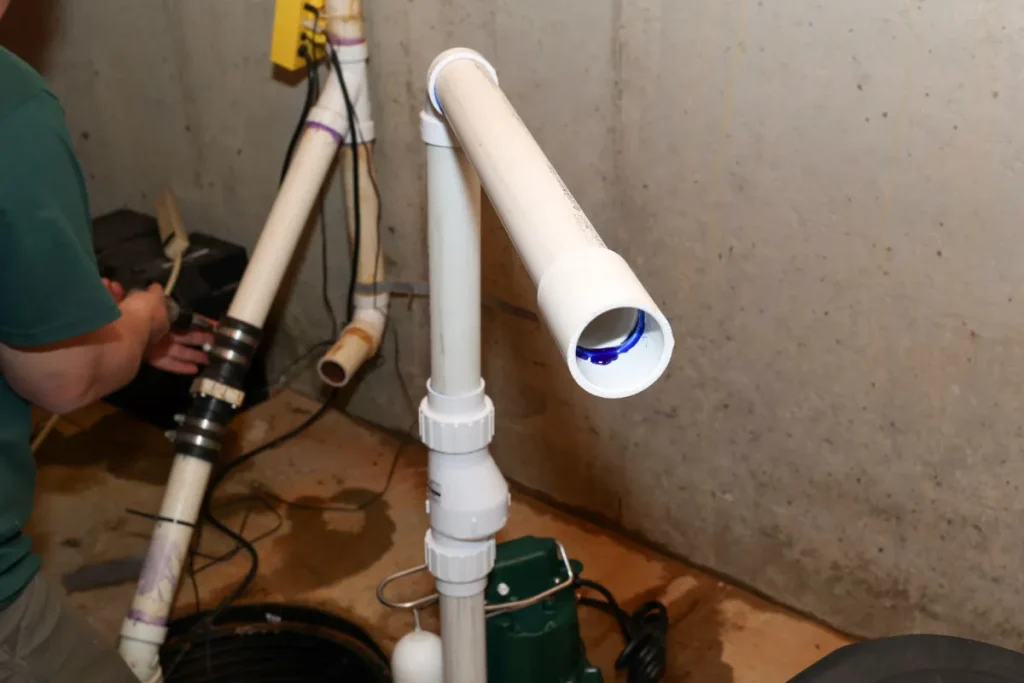
How much does sump pump replacement cost in 2026? For most Ohio homes, replacing a sump pump typically ranges from a few hundred dollars to the low four figures installed. The price depends on pump type and horsepower, whether a battery backup is added, and the condition of your pit and discharge line. Get an on-site quote for an exact number.
Why This Matters for Ohio Homeowners
A sump pump is the last line of defense for a lower level, and it wears out. In North Central and Northeast Ohio, pumps work hard: heavy spring rain, summer storms, and a high water table in clay-soil areas mean many pumps cycle often and age faster than the label suggests. When one fails during a storm, the cost of replacement is trivial next to the cost of a flooded basement.
Local weather is the reason a national average understates the stakes here. The Cleveland area averages roughly 39 to 41 inches of precipitation a year, spread across every season (Source: National Weather Service), and FEMA notes that heavy rain saturates the soil and drives groundwater into the basement through the sump pit (Source: FEMA). A worn pump is most likely to quit at the worst possible moment.
What Sump Pump Replacement Includes
What does sump pump replacement cost include?
A replacement quote usually covers more than the pump itself. Comparing bids fairly means knowing what each includes.
- The pump: type (submersible or pedestal) and horsepower sized to your inflow.
- Removal and disposal: pulling the old pump and clearing the pit of silt and debris.
- Check valve and fittings: a new check valve so pumped water does not drain back into the pit.
- Discharge line work: repairs or rerouting so water exits well away from the foundation.
- Battery backup (optional): a backup pump and battery for outage protection, which FEMA recommends so the system works when the power fails (Source: FEMA).
- Testing: a live test, typically by pouring water into the pit to confirm the pump activates (Source: FEMA).
What Are the Signs You Need to Replace Your Sump Pump?
Do not wait for a flood to find out. FEMA advises assessing your sump pump once a year and replacing it if these warning signs appear (Source: FEMA):
- It is more than 10 years old. Age alone is reason enough to plan a replacement.
- You see deep puddles form around the home when it rains. The pump is not keeping up with inflow.
- You never hear it run. A pump that stays silent during wet weather may be stuck or dead.
- It powers on and off repeatedly when it rains. Short-cycling points to a failing switch or an undersized pump.
- It runs constantly. Continuous running signals high inflow, a stuck float, or a pump near the end of its life.
- It is noisy, rusty, or vibrating. Grinding, rattling, or heavy corrosion are late-stage failure signs.
How Long Does a Sump Pump Last?
Plan on replacing a sump pump around the 10-year mark. FEMA specifically lists an age over 10 years as a reason to replace the pump (Source: FEMA). Pumps that run frequently, as many do in wet Ohio soils, can wear out sooner, so track the install date and test yearly rather than assuming a decade of trouble-free service.
Submersible vs. Pedestal Sump Pump
Pump type affects both replacement cost and lifespan. The table compares the two common styles for an Ohio basement.
| Factor | Submersible pump | Pedestal pump |
|---|---|---|
| Location | Sits inside the pit, underwater | Motor sits above the pit |
| Noise | Quieter, muffled by water | Louder, motor is exposed |
| Typical lifespan | Often shorter due to submersion | Often longer, motor stays dry |
| Capacity for high inflow | Handles higher volume well | Better for narrow pits, lower volume |
| Upfront cost | Usually higher | Usually lower |
A technician sizes the pump to your inflow and pit rather than to price alone, because an undersized pump short-cycles and fails early, while an oversized one wastes money.
What Factors Affect Sump Pump Replacement Cost?
- Pump type and horsepower. Higher-capacity submersible pumps cost more than basic pedestal units.
- Battery backup. Adding a backup pump and battery increases the total but protects against outages.
- Discharge and check valve work. Rerouting a poor discharge line or replacing corroded fittings adds labor.
- Pit condition. A silted, damaged, or undersized pit may need cleaning or upgrading.
- Accessibility. Tight or finished areas around the pit slow the work.
- Whether drainage is involved. If the replacement is paired with interior drainage or waterproofing, scope and cost grow accordingly.
Annual Sump Pump Maintenance Checklist
Regular checks catch failures before storm season. FEMA recommends assessing the pump yearly (Source: FEMA):
- Pour a bucket of water into the pit and confirm the pump turns on and clears it.
- Lift the float by hand to verify the switch responds.
- Check the check valve so water does not flow back into the pit.
- Clear silt and debris from the bottom of the pit.
- Inspect the discharge line for clogs, freezing damage, or separation.
- If you have a battery backup, test it and note the battery’s age.
Myth vs. Reality
Is a sump pump a one-time install you never think about again?
No. A sump pump is a mechanical device with a finite life, generally around 10 years (Source: FEMA). Treating it as install-and-forget is how basements flood: the pump quietly ages, then fails during the storm it was meant to handle. Annual testing and timely replacement are part of owning a home with a below-grade level.
More Questions Ohio Homeowners Ask
Should I replace the battery backup at the same time as the pump?
If your backup battery is 3 to 5 years old or older, replacing it alongside the pump is sensible. FEMA calls a battery backup an inexpensive safeguard against basement flooding (Source: FEMA), and a fresh battery ensures the whole system is ready together.
Can I replace a sump pump myself?
A like-for-like swap in a sound pit is a possible do-it-yourself job. But sizing, check-valve and discharge details, and backup integration are easy to get wrong, and a mistake shows up only during the next flood. Homes with high inflow, discharge issues, or backup needs are better served by a professional install.
How do I reduce how hard my sump pump has to work?
Move water away from the house before it reaches the pit. Keep gutters clear, extend downspouts, and slope the ground away from the foundation (Source: U.S. Department of Energy). Less water reaching the pit means a longer pump life and lower flood risk.
Does replacing my pump fix a wet basement?
It fixes pump failure, not every water problem. If water enters through wall cracks, window wells, or an overwhelmed drainage system, a new pump helps but a broader waterproofing plan is what keeps the basement dry.
What to Expect During a Sump Pump Replacement
A planned replacement is usually a straightforward, same-day job. The technician confirms the pump type and capacity your basement needs, disconnects power, removes the old pump, clears silt from the pit, installs the new pump with a fresh check valve, corrects the discharge line if needed, restores power, and tests the system by pouring water into the pit until the pump cycles. You should leave with guidance on the new pump’s expected lifespan and an annual test routine.
How Do You Choose the Right Pump Capacity?
Capacity should match your inflow, not a generic default. A pump that is too small short-cycles and burns out early, while one that is too large wastes money and can cycle inefficiently. A technician estimates inflow from how hard your current pump works during heavy rain and from the water table in your area. Homes in low-lying or clay-soil parts of Lorain, Huron, and Erie counties often need more capacity than a national default assumes.
Emergency vs. Planned Replacement
There is a real cost difference between replacing a pump on your schedule and replacing it during a flood. A planned replacement lets you compare options, size the pump correctly, and add a backup. An emergency replacement happens under pressure, often at premium rates, and usually after water has already caused damage. Testing annually and acting on the warning signs above keeps you in the planned category (Source: FEMA).
How often should you test a sump pump?
At least once a year, ideally before spring storm season, and again before any stretch of heavy rain. Pour a bucket of water into the pit and confirm the pump activates and clears it (Source: FEMA). If you have a battery backup, test it by disconnecting power to the primary pump and confirming the backup takes over.
Can a failing sump pump damage itself?
Yes. A pump that runs constantly because of a stuck float or high inflow wears out faster and can overheat. Catching that pattern during an annual check prevents a small problem from becoming a mid-storm failure and a flooded basement.
Does a bigger sump pump always mean better protection?
No. An oversized pump can short-cycle, turning on and off rapidly, which wears out the switch and motor early. The goal is a pump matched to your actual inflow and pit size, paired with a backup for outages, not simply the highest horsepower on the shelf. A brief inflow test during heavy rain tells a technician far more than a spec sheet does.
Key Facts at a Glance
- Lifespan: replace at about 10 years, sooner with heavy use (Source: FEMA).
- Warning signs: puddles when it rains, silence, short-cycling, constant running, or noise (Source: FEMA).
- Test method: pour a bucket of water into the pit; the pump should turn on.
- Backup: add or refresh a battery backup for outage protection (Source: FEMA).
- Local context: roughly 39 to 41 inches of annual precipitation across the Cleveland area (Source: National Weather Service).
Don’t Wait for the Next Flood to Replace Your Pump
Daniel’s Waterproofing has kept North Central and Northeast Ohio basements dry for more than 40 years, with a BBB A+ rating and over 20,000 basements completed. Every job is handled by our in-house, licensed and bonded crews, never subcontractors, and our waterproofing work carries a lifetime warranty that transfers with the home.
If your pump is past 10 years, running constantly, or you have no backup, a quick assessment now beats an emergency during the next storm. Call 440-965-4332 for a free on-site estimate.
Related reading: see the average cost of basement waterproofing in Ohio, or learn about complete protection through Northeast Ohio basement waterproofing and Cleveland basement waterproofing.