 440-965-4332
 Give us a Review

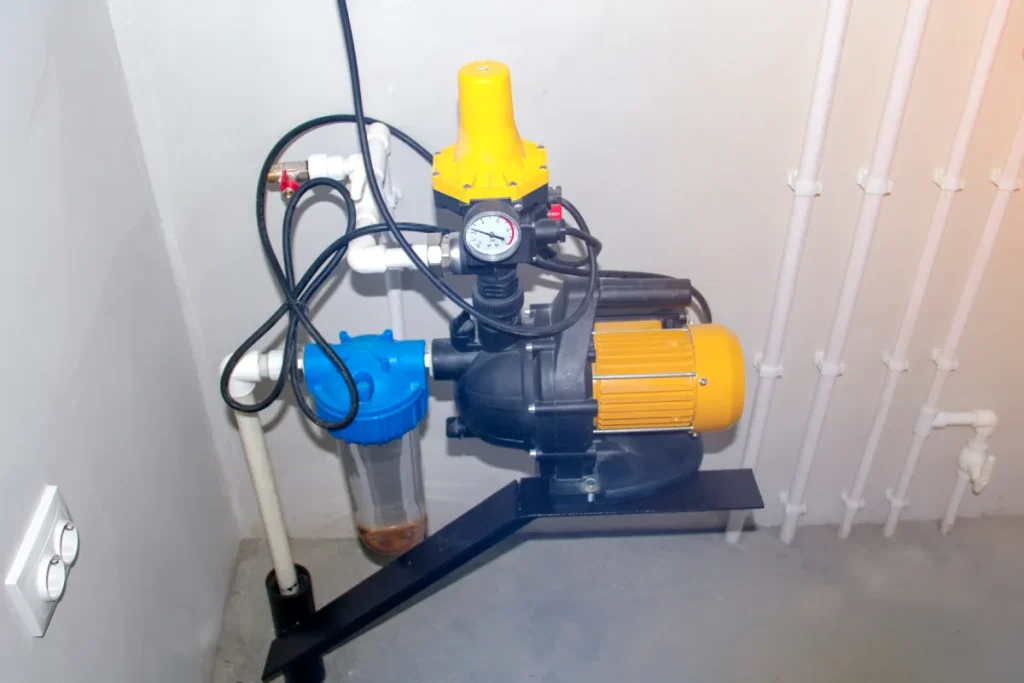
Do you need a sump pump battery backup? If your home depends on a sump pump to stay dry, yes. Across Northeast and North Central Ohio, the same storms that flood basements often cut power at the exact moment the pump is needed. A battery backup keeps the water moving when your main pump cannot.
Why This Matters for Ohio Homeowners
A sump pump only helps while it has power. In Ohio, heavy rain, saturated ground, and grid outages tend to arrive together, so the failure point is rarely the pump itself: it is the electricity feeding it. FEMA notes that a basement can flood when the primary pump stops working, when the power goes out, or when torrential rain overloads the pump beyond its capacity (Source: FEMA).
National averages understate the local risk. Cleveland and the surrounding counties sit in a humid continental climate with roughly 39 to 41 inches of precipitation a year and a high water table in many low-lying and clay-soil areas (Source: National Weather Service). Spring storms, summer downbursts, and lake-effect systems can dump inches of rain in hours, which is when an unprotected basement in Lorain, Erie, Huron, or Cuyahoga County is most exposed.
What a Sump Pump Battery Backup Actually Does
What does a sump pump battery backup do?
A sump pump battery backup is a second pump powered by a dedicated battery that switches on automatically when your primary pump cannot keep up or when power fails. FEMA recommends choosing a battery-operated sump pump so the system still works when the power goes out, describing sump pumps as an effective defense against basement seepage and flooding (Source: FEMA). In short, the backup buys you protection during the highest-risk window: a storm-driven outage.
How does a sump pump battery backup work?
The backup sits in the same sump pit as your primary pump, with its own float switch set slightly higher. Under normal conditions, the primary pump handles everything. When water rises past the backup float, or when the primary loses power, the backup draws on a charged deep-cycle battery and begins pumping through the shared discharge line. A check valve stops pumped water from draining back into the pit.
- Primary pump: runs on household current and clears routine groundwater.
- Backup pump: runs on battery power and activates during outages or overload.
- Deep-cycle battery: stores the charge that keeps the backup running when the grid is down.
- Check valve: prevents discharged water from flowing back into the sump pit.
- Alarm and monitor: many systems sound an alert when the backup engages or the battery runs low, so a quiet problem does not become a flooded basement.
Do you really need a battery backup for your sump pump in Ohio?
You almost certainly benefit from one if any of the following apply: your basement has flooded before, your pump runs often during storms, your street loses power in bad weather, or you keep anything of value below grade. A finished basement, a home office, or a furnace and water heater in the lower level all raise the stakes. FEMA calls a battery backup an inexpensive safeguard against basement flooding (Source: FEMA), which is a favorable trade against the cost of water-damaged drywall, flooring, and mechanicals.
Battery Backup vs. Water-Powered Backup
Two backup styles dominate. A battery backup runs on a stored charge and works anywhere. A water-powered backup uses municipal water pressure to create suction and needs no battery, but it will not work on a private well and consumes tap water while running. The table below compares them for a typical Ohio home.
| Factor | Battery backup | Water-powered backup |
|---|---|---|
| Works during a power outage | Yes, on stored battery charge | Yes, if city water pressure holds |
| Needs municipal water supply | No | Yes (not for well homes) |
| Ongoing maintenance | Replace battery every 3 to 5 years | Minimal, but uses tap water while running |
| Runtime limit | Limited by battery charge | Runs as long as water pressure holds |
| Best fit | Most homes, including well water | City-water homes wanting no battery upkeep |
For most homes in Berlin Heights, Norwalk, Wooster, and the wider service area, a battery backup is the more universal choice because it does not depend on well versus city water. A licensed technician can confirm which fits your plumbing and pit.
How Much Does a Sump Pump Battery Backup Cost?
Installed battery backup systems commonly land in the low four figures, with the exact figure driven by pump capacity, battery type and size, monitoring features, and the condition of your existing pit and discharge line. Larger-capacity systems and premium sealed batteries cost more, while a straightforward add-on to a sound pit costs less.
When budgeting, weigh the install cost against the downside it prevents. FEMA points out that just one inch of floodwater can cause significant property damage and that flood damage is generally not covered by standard homeowner policies (Source: FEMA), so a modest safeguard can prevent a far larger, uninsured loss.
How Long Does a Battery Backup Run During an Outage?
Runtime depends on the battery capacity and how hard the pump has to work. A fully charged deep-cycle battery can power intermittent pumping through many hours of a typical outage, though heavy, continuous inflow shortens that window. Homes that lose power for extended periods, or that see very high inflow, sometimes pair a battery backup with a portable generator for the primary pump. The right combination depends on your storm history and inflow rate, which a technician can assess on site.
Signs Your Ohio Home Needs a Battery Backup Sump Pump
- Your basement has taken on water during past storms, even briefly.
- Your primary pump cycles frequently during heavy rain, a sign of high inflow.
- Your neighborhood loses power during the same storms that bring flooding.
- Your lower level is finished, or holds a furnace, water heater, or valuables.
- Your current pump is more than 10 years old. FEMA advises assessing a sump pump yearly and replacing it once it passes the 10-year mark (Source: FEMA).
- You have no backup at all and rely on a single pump and a single power source.
Battery Backup Readiness Checklist
Use this quick checklist before the next storm season:
- Confirm your primary pump turns on when you pour a bucket of water into the pit, the test FEMA recommends (Source: FEMA).
- Verify the check valve holds and water does not drain back into the pit.
- Check that the discharge line is clear and directs water well away from the foundation.
- Test the backup by disconnecting power to the primary; the backup should activate.
- Check the battery charge and note its age; plan to replace it every 3 to 5 years.
- Make sure any alarm or monitor is working and audible.
Myth vs. Reality
Is it true that a newer primary sump pump means you do not need a backup?
No. A brand-new primary pump does nothing during a power outage, because it still runs on household current. The most common flooding scenario in Ohio is a storm that overwhelms the pump or knocks out power while rain is still falling. FEMA specifically advises adding battery backup or a generator so the pump can keep working when electricity is off (Source: FEMA). A new pump improves capacity; only a backup addresses the outage.
More Questions Ohio Homeowners Ask
Can I add a battery backup to my existing sump pump?
Usually yes. A backup is typically installed alongside a functioning primary pump in the same pit, sharing the discharge line. A technician confirms your pit size, discharge routing, and primary pump condition first.
How often should the backup battery be replaced?
Plan on every 3 to 5 years, sooner if the system reports low charge. Batteries degrade quietly, so testing and tracking the install date matters more than waiting for a failure.
Will a battery backup stop all basement flooding?
No single device can. A backup addresses pump and power failure. Water entering through wall cracks, window wells, or an undersized drainage system needs a broader waterproofing plan, which is why many homeowners pair a backup with interior drainage and exterior grading corrections.
How do I keep water away from the foundation in the first place?
Keep gutters clean, extend downspouts, and slope the ground away from the house so rain drains away rather than pooling against the foundation, all steps recommended by federal guidance (Source: U.S. Department of Energy). Good exterior drainage reduces how hard your pump and backup have to work.
What to Expect When You Add a Battery Backup
For most homes, adding a battery backup is a same-day job. A technician inspects your pit, primary pump, and discharge line, confirms the pit can hold a second pump, installs the backup with its own float and check valve, connects and charges the battery, and tests the full system by simulating a primary-pump failure. You should finish with a clear sense of the runtime to expect and a maintenance schedule for the battery.
How do you size a battery backup for an Ohio basement?
Sizing means matching pump capacity and battery reserve to your inflow. Homes with heavy inflow during storms, common in the clay-soil areas of Lorain, Huron, and Erie counties, benefit from a higher-capacity backup and a larger battery. A technician estimates your inflow from how hard the primary pump works during heavy rain, then sizes the system to keep pace through a realistic outage rather than a brief one.
Where does a battery backup fit in a complete waterproofing plan?
A backup is one layer of defense. It protects against pump and power failure, but it does not address water entering through wall cracks, window wells, or a failing drainage system. The strongest protection pairs a reliable primary pump and battery backup with interior drainage, sealed cracks, and exterior grading that carries water away from the foundation. The backup is insurance for the pump; waterproofing is insurance for the basement.
Key Facts at a Glance
- Primary weak point: power, not the pump. Outages and floods often strike together in Ohio.
- Federal guidance: choose a battery-operated sump pump so it works when the power goes out (Source: FEMA).
- Battery life: typically 3 to 5 years; test annually.
- Replace the primary pump: once it is more than 10 years old (Source: FEMA).
- Local climate: roughly 39 to 41 inches of annual precipitation across the Cleveland area (Source: National Weather Service).
- Cost framing: an inexpensive safeguard against a largely uninsured flood loss (Source: FEMA).
Protect Your Ohio Basement Before the Next Storm
Daniel’s Waterproofing is a family-owned, BBB A+ rated team that has protected North Central and Northeast Ohio basements for more than 40 years, with over 20,000 basements completed. Our work is handled by in-house, licensed and bonded crews, never subcontractors, and our waterproofing carries a lifetime warranty that transfers with the home.
If a single pump and a single power source are all that stand between your basement and the next storm, let us assess your pit, pump, and drainage and recommend the right backup. Call 440-965-4332 for a free on-site estimate.
Related reading: see our guide to the average cost of basement waterproofing in Ohio, or learn about full-system protection through Northeast Ohio basement waterproofing and Cleveland basement waterproofing.