 440-965-4332
 Give us a Review

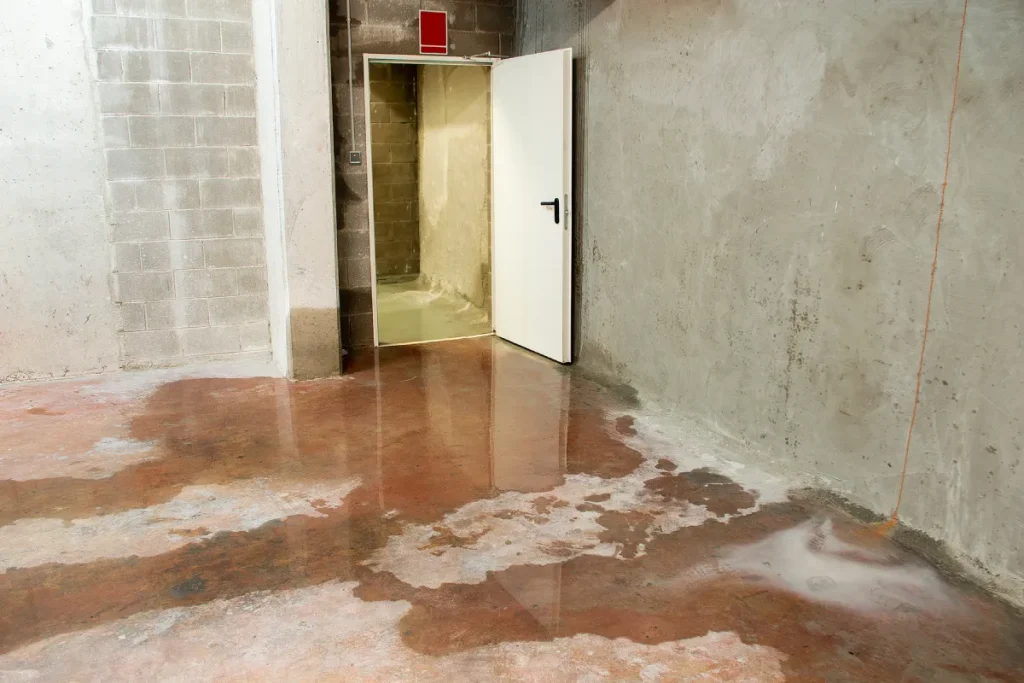
What causes a musty smell in your basement? A musty basement smell is almost always caused by excess moisture feeding mold and mildew on walls, wood, and stored items. To get rid of it for good, you have to remove the moisture: fix leaks, improve drainage, and keep humidity below 60 percent, not just mask the odor.
Why This Matters for Ohio Homeowners
That damp, earthy smell is not just unpleasant; it is a signal. It tells you the basement holds enough moisture for mold and mildew to grow, and in North Central and Northeast Ohio, the conditions for that are common. A humid continental climate, roughly 39 to 41 inches of annual precipitation, and a large share of older homes with below-grade living space all point the same direction (Source: National Weather Service).
Ohio’s aging housing raises the odds further. The Ohio Housing Finance Agency reports that more than two-thirds of Ohio homes were built before 1980 (Source: Ohio Housing Finance Agency), and older foundations are more prone to seepage, condensation, and the porous surfaces where mildew takes hold. Because basement air rises into the living space, a musty lower level often means the smell (and the moisture behind it) reaches the whole house.
Where the Smell Comes From
What causes a musty smell in your basement?
The odor comes from microbial growth. When mold and mildew digest damp materials, they release the gases responsible for that characteristic musty smell. The EPA points out that humidity or dampness in the air can supply enough moisture for mold to grow, which is why controlling moisture is the core of controlling the smell (Source: EPA). Common moisture sources include:
- Seepage through walls and floors: water entering through cracks or porous concrete after rain.
- High humidity: damp basement air condensing on cool walls and floors.
- Poor drainage and grading: water pooling against the foundation instead of draining away.
- Plumbing leaks: slow drips that keep materials damp.
- Wet or stored items: cardboard, carpet, and fabric that hold moisture and grow mildew.
Is a Musty Basement Smell Dangerous?
A musty smell itself is a warning sign, and the mold behind it can affect health and the home. The EPA advises acting quickly on indoor moisture and cleaning up mold, and drying wet materials within 24 to 48 hours so mold does not take hold (Source: EPA). Beyond health, sustained moisture damages wood framing, insulation, and finishes. The odor is the cheap, early warning; ignoring it lets a small moisture problem become a costly one.
How Do You Get Rid of a Musty Basement Smell for Good?
Masking the odor never works for long, because the moisture keeps feeding the source. These steps address the cause in order:
- Find and stop the water. Trace seepage, leaks, and damp spots to their source before anything else.
- Fix drainage and grading. Keep gutters clear, extend downspouts, and slope the ground away from the foundation so water drains off (Source: EPA).
- Dry wet materials fast. Dry or remove damp items within 24 to 48 hours to stop mold growth (Source: EPA).
- Control humidity. Run a dehumidifier and keep indoor humidity below 60 percent, ideally 30 to 50 percent (Source: EPA).
- Clean affected surfaces. Clean mold off hard surfaces and discard porous items that stay contaminated.
- Address chronic seepage. Where water keeps returning, interior drainage and waterproofing fix the source rather than the symptom.
What Humidity Level Stops Basement Odors?
Aim to keep indoor humidity below 60 percent, and ideally between 30 and 50 percent. The EPA identifies that range as the target for discouraging mold, and notes that relative humidity above 60 percent creates conditions where mold can grow (Source: EPA). An inexpensive hygrometer lets you see whether your basement is in range; if it reads above 60 percent, a dehumidifier and better moisture control are the fix.
| Indoor humidity | What it means | Action |
|---|---|---|
| Below 50% | Ideal, low mold risk | Maintain; monitor after storms |
| 50% to 60% | Acceptable upper range | Watch cool surfaces for condensation |
| Above 60% | Mold-favorable conditions | Dehumidify and find the moisture source |
Musty Basement Troubleshooting Checklist
- Check walls and floors for damp spots, staining, or efflorescence after rain.
- Measure humidity with a hygrometer; note readings above 60 percent.
- Inspect gutters, downspouts, and grading around the foundation.
- Look for plumbing leaks and condensation on pipes and walls.
- Remove or dry damp cardboard, carpet, and fabric.
- If the smell returns after drying, plan for drainage or waterproofing, not more air freshener.
Myth vs. Reality
Will an air freshener or candle get rid of the musty smell?
No. Air fresheners, candles, and sprays only mask the odor while the mold and moisture keep growing underneath. The EPA is clear that moisture control is the key to mold control (Source: EPA). The only durable fix is removing the moisture that feeds the smell: stop the water, dry the space, and hold humidity below 60 percent.
More Questions Ohio Homeowners Ask
Is a musty smell the same as radon?
No. Radon is a colorless, odorless gas, so a musty smell is not radon (Source: EPA). They can coexist, however, because both relate to soil and below-grade conditions. Since radon has no odor, the EPA recommends testing every home regardless of any smell, and fixing at 4 pCi/L or higher (Source: EPA).
Does a dehumidifier fix a musty basement?
A dehumidifier helps by holding humidity in the safe range, but on its own it will not solve active seepage or a leak. Think of it as one layer: pair it with stopping the water and correcting drainage for a lasting result.
Why does my basement only smell musty after it rains?
That pattern usually means water is entering after rainfall, through wall cracks, a failing drainage system, or poor grading that channels water toward the house. The smell spikes because fresh moisture feeds the mildew. It is a strong sign the moisture source is exterior water management, not just indoor humidity.
Can I remove basement mold myself?
Small areas on hard surfaces can often be cleaned with detergent and water and dried completely, as the EPA describes (Source: EPA). Larger areas, porous materials, or mold that keeps returning point to an unresolved moisture source that needs professional attention.
Where Basement Moisture Hides
The smell is diffuse, but the moisture usually is not. When you go looking, check these common sources first: the base of walls where seepage enters, cold corners where humid air condenses, behind stored boxes and furniture that block airflow, under carpet or padding laid directly over concrete, around basement windows and window wells, and near the water heater or laundry where slow leaks go unnoticed. Finding the source is far faster than chasing the odor around the room.
Seasonal Patterns of Basement Odor in Ohio
The smell often shifts with the season, which is itself a clue. In spring and after heavy summer storms, seepage and a high water table drive the odor. In humid summer weather, warm outside air entering a cool basement condenses on walls and floors and feeds mildew even without a leak. In winter, the smell may fade as the air dries, then return with the spring thaw. With roughly 39 to 41 inches of annual precipitation, the underlying moisture pressure is present for much of the Ohio year (Source: National Weather Service).
How Basement Moisture Affects the Rest of Your Home
A musty basement rarely stays contained. Because of the stack effect, air moves upward through a house, carrying odors and humidity from the lowest level into the living spaces. A damp basement can raise humidity upstairs, leave closets and clothing smelling musty, and degrade the air you breathe day to day. Controlling moisture at the source, rather than masking it, improves comfort and air quality throughout the whole home.
When to Call a Professional vs. Handle It Yourself
You can often handle the basics: run a dehumidifier, improve grading and gutters, dry damp items quickly, and clean small areas of mold on hard surfaces (Source: EPA). Call a professional when the smell returns after every rain, when you see active seepage or standing water, when mold covers a large area or porous materials, or when a hygrometer keeps reading above 60 percent despite a dehumidifier. Those patterns point to a moisture source that needs drainage or waterproofing, not another round of cleaning.
Does a musty smell mean I have a serious water problem?
Not always, but it always means moisture is present. A mild, occasional smell may resolve with better humidity control. A strong smell that returns after rain, or comes with visible dampness, signals water entering the basement, which is worth a professional assessment before it damages framing or finishes.
What natural steps reduce basement humidity?
Beyond a dehumidifier, several low-cost habits help: keep basement windows closed during humid summer weather, insulate cold water pipes to cut condensation, improve air circulation with a fan, avoid drying laundry in the basement, and keep stored items off the floor and away from walls so air can move freely. These steps lower the moisture load, though they do not replace fixing an active leak or correcting drainage.
How long does it take to fix a musty basement for good?
If the cause is humidity, improvements can appear within days of running a dehumidifier and correcting airflow. If the cause is seepage, the odor clears only after the water source is stopped and the space fully dries, which can take longer and may require drainage or waterproofing. The lasting fix follows the moisture, not the calendar.
Key Facts at a Glance
- Root cause: excess moisture feeding mold and mildew, not a stand-alone odor problem.
- Humidity target: below 60 percent, ideally 30 to 50 percent (Source: EPA).
- Act fast: dry wet materials within 24 to 48 hours (Source: EPA).
- Not radon: radon is odorless; test regardless of smell (Source: EPA).
- Local context: over two-thirds of Ohio homes were built before 1980 (Source: Ohio Housing Finance Agency).
Clear the Air and Keep Your Basement Dry
A musty smell that keeps coming back is telling you the moisture source has not been fixed. Daniel’s Waterproofing has helped North Central and Northeast Ohio homeowners solve wet, musty basements for more than 40 years, with a BBB A+ rating and over 20,000 basements completed. Our in-house, licensed and bonded crews handle every project (never subcontractors), and our waterproofing carries a lifetime warranty that transfers with the home.
If the odor returns after every rain, an on-site assessment can pinpoint where water is entering and how to stop it. Call 440-965-4332 for a free basement evaluation.
Related reading: see the average cost of basement waterproofing in Ohio, or learn about lasting moisture protection through Northeast Ohio basement waterproofing and Cleveland basement waterproofing.