 440-965-4332
 Give us a Review

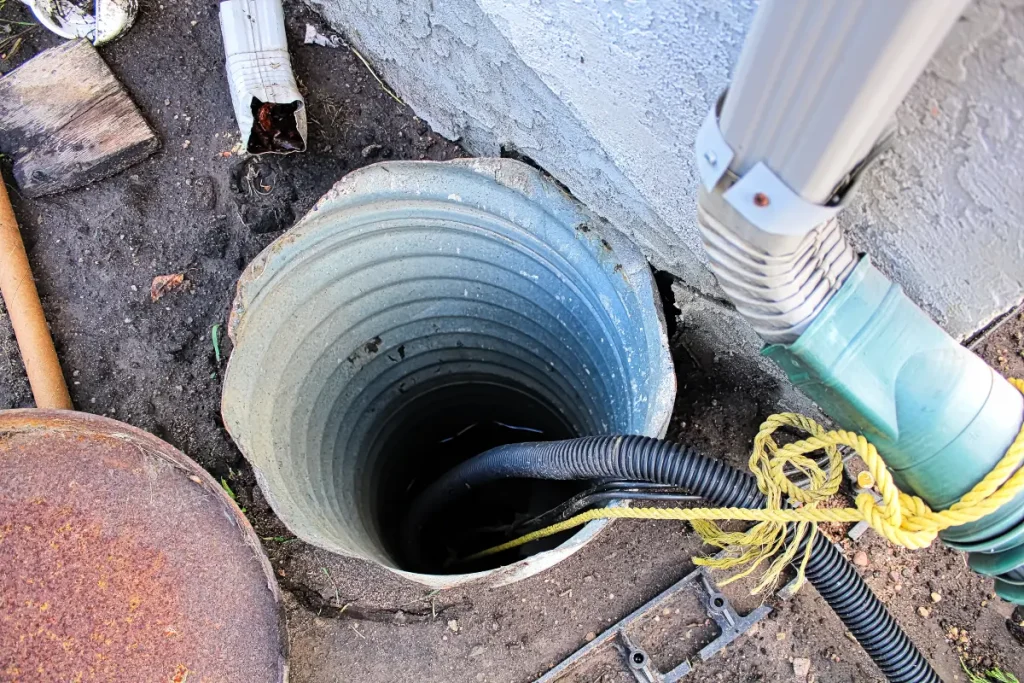
How to Prevent Basement Flooding Before Heavy Rain Arrives
The best time to think about how to prevent basement flooding is while the basement is still dry. A major storm can expose problems that are easy to overlook during normal weather, from an overflowing gutter to a sump pump that has not run in months. Preparing ahead means checking how water gets off the roof, across the property, around the foundation, and out of the basement before all of those systems are tested at once.
Not every flood has the same cause, so prevention is not about relying on one product or one repair. These nine steps focus on the places where homeowners can identify problems early and where the right water-management measures can make a difference.
1. Clean the Gutters Before Storm Season
A gutter cannot carry roof runoff effectively when leaves and debris are blocking the flow. During a downpour, water may spill over the edge and soak the ground beside the foundation instead of reaching the downspouts.
Check gutters for debris, sagging sections, and areas that overflow during rain. Keeping them clear helps the roof drainage system do its first job: move water toward the downspouts instead of dropping it along the house.
2. Check Where Your Downspouts Discharge
Getting rainwater off the roof is only half the job. It also needs to be released where it will not immediately work its way back toward the foundation.
Inspect each downspout connection and watch where the water travels once it reaches the ground. A disconnected extension, damaged section, or discharge point that sends water into a low area beside the house can concentrate runoff exactly where it should not collect.
The goal is simple: roof water should move away from the foundation rather than being deposited next to it.
3. Look at the Yard After a Hard Rain
A dry-day walk around the property will not always reveal how water behaves during a storm. Check the yard while it is raining or shortly afterward.
Proper yard grading encourages surface water to move away from the foundation. Soil that has settled toward the house, low spots near foundation walls, and areas where water repeatedly pools deserve attention.
This is particularly useful when trying to prevent basement flooding during heavy rain because it shows where runoff is actually going rather than where it appears likely to go when the ground is dry.
4. Check Basement Windows and Window Wells
A window well can collect water quickly when surrounding drainage sends runoff toward it or the well cannot drain properly.
Look for debris, standing water, damaged covers where covers are used, and signs that soil around the well directs water toward the opening. Also check the window itself for visible gaps or deterioration.
Water entering through a basement window is a different problem from groundwater coming through the floor. Identifying that distinction before the next storm helps avoid treating the wrong part of the basement.
5. Test the Sump Pump Before You Need It
A sump pump may not run often during dry weather, but it needs to be ready when groundwater begins collecting in the sump pit. During a major storm, however, an existing drainage system depends on the pump being able to remove the water it collects.
Check that the pump has power and operates properly. The discharge line should also be examined for obvious problems that could interfere with water leaving the home.
If the pump runs frequently, makes unusual noises, fails to start, or cannot keep up with incoming water, waiting for the next downpour to investigate leaves little room to respond.
A sump pump is only one part of basement water management. It works with the drainage system that carries water to the sump pit.
6. Know What Happens to the Sump Pump During a Power Outage
Heavy weather and power outages can happen at the same time. If the home’s sump pump relies on household electricity, a loss of power can leave the basement without its normal means of removing collected water.
Homeowners with an existing backup system should make sure it is maintained according to its requirements. Those without one may want to determine whether backup protection is appropriate for their existing sump setup.
The important point is to make that decision before severe weather arrives, not after the primary pump has stopped.
7. Pay Attention to Previous Leak Locations
A basement that has leaked before has already provided useful information.
Before the next storm, check previous trouble spots for staining, mineral deposits, deteriorated patches, dampness, or other changes. Note whether past water appeared through a wall crack, along the wall-floor joint, through the floor, or around an opening.
Repeatedly covering the same spot does not necessarily stop a basement from flooding if water is continuing to build around or beneath the foundation. The pattern of previous leaks can help determine whether the problem is localized or part of a broader drainage issue.
8. Understand What a Backwater Valve Does
A backwater valve(opens in new tab) is designed to help prevent sewage from reversing through a building’s sewer connection under certain conditions. It addresses a different flood path from groundwater entering through foundation walls or floors.
Here is one of the most useful basement flood prevention tips: know what each system is designed to prevent. A backwater valve helps protect against sewer backup, while a sump system removes water collected by the basement drainage system. Neither does the job of the other.
Whether a particular home needs or can use one depends on its plumbing and sewer configuration. Installation and applicable requirements should be discussed with a qualified plumbing professional and the appropriate local authority.
9. Address Recurring Water Before the Forecast Turns Bad
If water already enters the basement during prolonged rain, storm preparation should go beyond moving belongings off the floor.
Recurring seepage through floor cracks, the cove joint, foundation walls, or multiple locations can indicate that water around or beneath the foundation needs to be managed. Depending on the source, waterproofing may involve a localized repair, drainage, sump equipment, or another approach suited to the property.
The goal is to protect the basement from flooding by addressing the established water path before the next storm puts more pressure on it.
CTA: Basement water already showing up during storms? Call 440-965-4332 or contact Daniel’s Waterproofing for a free inspection and estimate.
What Should You Prioritize Before Heavy Rain?
Before a major storm, prioritize the systems that keep water away from the foundation and remove water that reaches the basement.
| Check Before the Storm | Why It Matters |
| Sump pump operation | Confirms the existing system can remove collected water |
| Sump discharge | Helps ensure pumped water can leave the home |
| Gutter condition | Keeps roof runoff moving toward the downspouts |
| Downspout discharge | Reduces roof water being released beside the foundation |
| Yard grading | Helps move surface runoff away from the house |
| Window wells | Identifies openings where stormwater may collect |
| Previous leak areas | Shows where water has already found a path inside |
| Backup sump protection | Provides protection if the primary pump cannot operate during an outage |
If a storm is already in the forecast, checking these conditions is more useful than buying a collection of waterproofing products without knowing where the basement is vulnerable.
Basement Flood Prevention FAQs for Ohio Homeowners
How much does it cost to prevent basement flooding?
There is no single average because the cost depends on what is putting the basement at risk. Correcting a localized drainage issue, adding backup protection, repairing a water-entry point, and installing a waterproofing system are very different projects. If a basement has flooded before, identifying the source of the water is the first step toward determining what prevention work is actually needed.
Can a basement flood even if it has never flooded before?
Yes. A basement that has stayed dry for years can still flood when conditions change. An unusually severe storm, saturated ground, a drainage problem, sewer backup, or equipment failure can create conditions the home has not experienced before. A dry history reduces uncertainty about past performance, but it cannot guarantee the basement will remain dry during future storms.
What should I do if heavy rain is forecast and my basement has flooded before?
Move water-sensitive belongings off the floor and make sure any existing sump pump and backup equipment are ready to operate. If there is already a known leak or drainage problem, temporary storm preparation may reduce potential damage, but it will not correct the condition responsible for previous flooding.
Does homeowners insurance cover basement flooding?
It depends on where the water came from and the coverage in the individual policy. Water entering from groundwater, surface flooding, sewer backup, or another source may be treated differently. Homeowners should confirm their coverage with their insurance provider before a loss occurs rather than assuming all basement flooding is covered.
Should I finish a basement that has flooded before?
The cause of previous flooding should be identified and addressed before foundation walls or floors are covered with finished materials. Otherwise, a recurring water problem can remain hidden behind drywall, flooring, or insulation and cause additional damage if the basement floods again.
How should I store belongings in a basement that could flood?
Keeping water-sensitive belongings off the floor is a practical way to limit damage if unexpected water enters the basement. It does not prevent basement flooding, but elevated storage can protect documents, boxes, electronics, and other belongings while the underlying flood risk is being addressed.
Can one major storm overwhelm a basement waterproofing system?
It is possible for water conditions during an unusually severe storm to exceed what an existing component or system can manage, but flooding does not automatically mean the waterproofing system itself is inadequate. A sump pump problem, blocked discharge, power loss, water entering from an unrelated source, or another condition may be involved. The cause should be identified before deciding what needs to be repaired or changed.
Is basement flooding always caused by groundwater?
No. Groundwater is only one possible source. Basement flooding can also involve surface water entering through an opening, plumbing problems, or sewer backup. Determining where the water originated is important because foundation waterproofing will not correct every type of basement flood.
Prepare the Basement Before the Water Arrives
Knowing how to prevent basement flooding starts with understanding where a home is vulnerable before severe weather exposes it. Good preparation keeps roof runoff moving away from the foundation, confirms existing equipment is ready to operate, and addresses recurring water problems instead of waiting for the next flooded floor.
Family-owned since 1978, Daniel’s Waterproofing has completed more than 20,000 basement and foundation projects across North Central and Northeast Ohio. Our experienced in-house crews, never subcontractors, complete the work, and Daniel’s maintains an A+ rating from the Better Business Bureau(opens in new tab).
Call 440-965-4332 or contact us online for a free inspection and estimate.