 440-965-4332
 Give us a Review

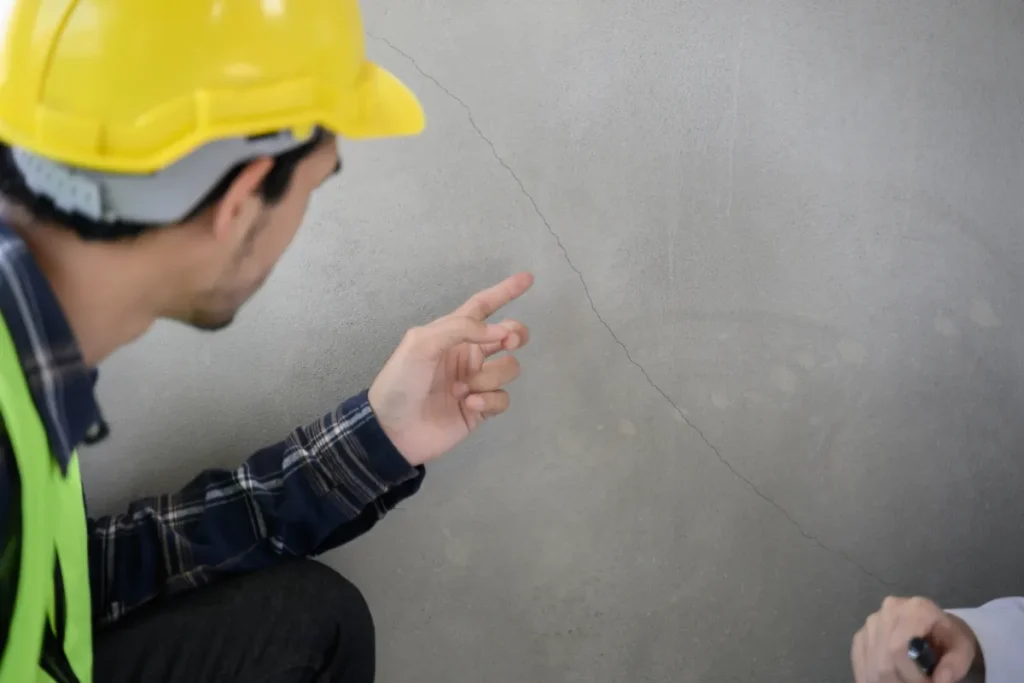
How much does foundation crack repair cost in 2026? For most Ohio homes, foundation crack repair typically ranges from a few hundred dollars for a simple injected crack to several thousand for structural repair with reinforcement or excavation. The cost depends on the crack type, the repair method, and the underlying cause. An on-site inspection gives the accurate figure.
Why This Matters for Ohio Homeowners
Foundation crack repair cost is a local number, because the cause is local. North Central and Northeast Ohio combine expansive clay soils, a wet climate, and repeated winter freeze-thaw cycles, the exact conditions that crack poured concrete and masonry foundations. What a homeowner in a dry, mild region pays has little to do with what these conditions require.
Two local realities drive the risk. First, Ohio’s housing stock is old: the Ohio Housing Finance Agency reports that more than two-thirds of Ohio homes were built before 1980 (Source: Ohio Housing Finance Agency), so many foundations have endured decades of soil movement. Second, cold winters mean many freeze-thaw cycles, and roughly 39 to 41 inches of annual precipitation keeps soil saturated and expands the pressure against foundation walls (Source: National Weather Service).
What You Are Paying For
What does foundation crack repair cost include?
A repair quote reflects the method matched to the crack, not a flat fee. Typical components include:
- Inspection and diagnosis: identifying whether the crack is cosmetic, a leak path, or structural.
- The repair method: injection, reinforcement, or excavation, sized to the problem.
- Materials: epoxy or polyurethane, carbon fiber, or steel anchors depending on approach.
- Water management: sealing the leak path and, where needed, drainage so water does not return.
- Cause correction: addressing grading, gutters, or hydrostatic pressure so the crack does not recur.
How Much Does Foundation Crack Repair Cost by Method?
Cost tracks the method, and the method tracks the crack. The table below shows how the common repairs compare. Figures are broad estimates, not quotes, and local pricing should be confirmed on site.
| Repair method | Best for | Relative cost |
|---|---|---|
| Polyurethane injection | Non-structural cracks that leak water | Lowest |
| Epoxy injection | Non-structural cracks needing a rigid bond | Low |
| Carbon fiber straps | Minor bowing or cracks with slight movement | Moderate |
| Steel wall anchors / bracing | Bowing or structurally moving walls | High |
| Exterior excavation + sealing | Severe leaks or exterior waterproofing needs | Highest |
Which Foundation Cracks Are Serious?
Not every crack is an emergency, but some are. Knowing the difference protects both your home and your budget.
- Usually minor: thin, vertical hairline cracks in poured concrete, often from normal curing and shrinkage.
- Watch closely: vertical or diagonal cracks that leak water or widen over time.
- Often serious: horizontal cracks and stair-step cracks in block walls, which can signal soil pressure and structural movement.
- Act quickly: wide cracks, bowing walls, or cracks paired with sticking doors and windows.
If you are unsure which category a crack falls into, our guide to the interior signs of foundation problems walks through what to look for before it worsens.
What Causes Foundation Cracks in Ohio?
Understanding the cause matters, because a repair that ignores it will fail again. The leading causes in this region are:
- Freeze-thaw cycles. Water in the soil freezes, expands, and thaws repeatedly through Ohio’s cold winters, stressing foundation walls (Source: National Weather Service).
- Expansive clay soil. Clay swells when wet and shrinks when dry, moving the soil against and beneath the foundation.
- Hydrostatic pressure. Saturated soil after heavy rain pushes against basement walls, a common driver of bowing and horizontal cracks.
- Poor drainage and grading. Water pooling against the house raises pressure and moisture. Federal guidance is to slope the ground away from the foundation and keep gutters clear (Source: EPA).
- Settlement and age. Older foundations may have settled unevenly over decades, especially in Ohio’s aging housing stock (Source: Ohio Housing Finance Agency).
What Factors Affect Foundation Crack Repair Cost?
- Crack type and severity. A single leaking hairline costs far less than a bowing wall needing anchors.
- Repair method. Injection is least expensive; reinforcement and excavation cost more.
- Number and length of cracks. More cracks or longer runs mean more material and labor.
- Water involvement. A leaking crack usually needs sealing plus drainage, not just filling.
- Access. Finished walls or exterior obstructions add labor to reach the crack.
- Root-cause correction. Fixing grading, drainage, or pressure adds cost but prevents a repeat repair.
Before You Get a Foundation Repair Quote: Checklist
- Photograph each crack with a ruler or coin for scale, and note the date.
- Mark the ends of a crack with a pencil to track whether it grows.
- Note whether the crack is dry or leaking, and after which weather.
- Check for related signs: bowing walls, sticking doors, or uneven floors.
- Inspect gutters, downspouts, and grading around that section of wall.
- Ask each contractor to identify the cause, not just seal the crack.
Myth vs. Reality
Is every foundation crack a structural emergency?
No. Many thin, vertical hairline cracks in poured concrete are cosmetic or from normal shrinkage. The cracks that demand urgency are horizontal cracks, stair-step cracks in block, widening cracks, and any crack paired with bowing or movement. Treating every hairline as a crisis wastes money; ignoring a horizontal or leaking crack risks far costlier structural damage. The correct response is a professional diagnosis, not a blanket assumption.
More Questions Ohio Homeowners Ask
Does foundation crack repair stop water leaks?
It can, when the repair seals the leak path and the water source is managed. Injecting a crack without addressing drainage or grading often leads to water finding the next weak point, so lasting repairs pair sealing with water management (Source: EPA).
Epoxy or polyurethane: which is used for a leaking crack?
Polyurethane is flexible and expands to fill and seal a leaking, non-structural crack, while epoxy creates a rigid, high-strength bond. The right choice depends on whether the crack is leaking, moving, or structural, which a technician determines on site.
How urgent is a horizontal crack?
Treat it as a priority. Horizontal cracks in a basement wall often indicate soil pressure and possible structural movement, which can progress to bowing. Our resource on bowing basement wall repair cost explains the reinforcement options and what drives their cost.
Will repair increase my home’s value or sellability?
A documented, warrantied foundation repair removes a major buyer objection and protects the home from worsening damage. Unaddressed structural cracks, by contrast, tend to surface during inspection and complicate a sale.
How Long Does Foundation Crack Repair Take?
Timelines depend on the method. A simple injected crack is often completed in a few hours. Carbon fiber reinforcement typically takes part of a day. Wall anchors, bracing, or exterior excavation are larger projects that can span one to several days, especially when drainage or waterproofing is included. A clear scope and a realistic schedule are signs of a contractor who has diagnosed the problem correctly rather than guessing at it.
What a Good Foundation Repair Quote Looks Like
A trustworthy quote names the crack type and cause, not just the fix. It should specify the method (injection, reinforcement, or excavation), the materials, whether water management is included, and the warranty. Be cautious of any quote that seals a crack without explaining why it appeared, because an unaddressed cause such as poor drainage or hydrostatic pressure will simply produce the next crack (Source: EPA).
Can You Prevent Future Foundation Cracks?
You cannot stop soil from moving, but you can reduce the pressure and moisture that crack foundations:
- Keep gutters clean and downspouts extended so roof water lands well away from the foundation (Source: EPA).
- Grade the soil to slope away from the house, never toward it (Source: EPA).
- Manage heavy rain and snowmelt so soil around the foundation does not stay saturated (Source: National Weather Service).
- Keep interior water in check with a working sump and drainage system.
- Watch cracks over time and repair leaking or widening cracks early, before they turn structural.
Does Homeowners Insurance Cover Foundation Crack Repair?
Usually not. Standard homeowner policies typically exclude damage from gradual causes such as soil movement, settling, and long-term water intrusion, which are the most common reasons Ohio foundations crack. Coverage tends to apply only to sudden, named perils. Because the repair is often out of pocket, catching cracks early, when a simple injection is enough, is the most cost-effective approach. Confirm your specific coverage with your insurer before you assume anything is covered.
Are foundation cracks more common in older Ohio homes?
Older foundations have had more years to endure freeze-thaw cycles, soil movement, and drainage changes, and Ohio’s housing skews old, with more than two-thirds of homes built before 1980 (Source: Ohio Housing Finance Agency). Age alone does not doom a foundation, but it does make regular inspection and prompt repair more important.
How do I know if a foundation crack is getting worse?
Mark both ends of the crack with a dated pencil line and note its width. If the line extends, the crack widens, new cracks appear nearby, or the wall begins to bow, the movement is active and needs prompt attention. Cracks that stay put and dry for months are usually stable, though a leaking crack still deserves sealing to keep water out and prevent moisture damage behind the wall.
Key Facts at a Glance
- Cost driver: crack type and method, from low-cost injection to high-cost reinforcement or excavation.
- Serious cracks: horizontal and stair-step cracks, widening cracks, and any with bowing.
- Local causes: freeze-thaw, clay soil, hydrostatic pressure, and drainage (Source: National Weather Service).
- Prevention: slope ground away from the foundation and keep gutters clear (Source: EPA).
- Local context: over two-thirds of Ohio homes were built before 1980 (Source: Ohio Housing Finance Agency).
Get Your Foundation Cracks Diagnosed the Right Way
Daniel’s Waterproofing has repaired and reinforced foundations across North Central and Northeast Ohio for more than 40 years, with a BBB A+ rating and over 20,000 basements completed. Our in-house, licensed and bonded crews handle every repair (never subcontractors), and our waterproofing carries a lifetime warranty that transfers with the home.
Because the right price depends on the right diagnosis, the first step is an on-site inspection that identifies the crack type and its cause. Call 440-965-4332 for a free foundation assessment and an itemized quote.
Related reading: review the interior signs of foundation problems, understand bowing basement wall repair cost, or learn about our foundation repair in Medina, Ohio.